time limit to file a wrongful dismissal claim
When considering legal action after losing a job, one important factor to keep in mind is timing. Many employees wonder, “What is the time limit to file a wrongful dismissal claim?” The answer varies depending on your country or jurisdiction, but in all cases, it is essential to act within a specific period, or you may lose the right to seek compensation altogether. Understanding the time frame to take legal action is crucial for preserving your rights and holding your employer accountable.
In most jurisdictions, the time limit to file a wrongful dismissal claim is guided by civil law or employment legislation. In Canada, for example, wrongful dismissal claims based on breach of contract typically fall under provincial limitations acts, which often allow up to two years from the date of dismissal to bring a claim in civil court. Similarly, in the United Kingdom, while unfair dismissal claims must be filed with an employment tribunal within three months minus one day of the termination date, wrongful dismissal claims, which are contractual in nature, usually have a six-year limitation period if brought in the civil courts. However, if the claim is pursued through a tribunal instead, the window is much shorter.
In the United States, the concept of wrongful dismissal is slightly different and more commonly tied to wrongful termination due to discrimination, retaliation, or breach of an implied contract. Depending on the basis of the claim, time limits can vary significantly. For instance, if the claim is related to discrimination under federal law, such as Title VII, the complaint typically must be filed with the Equal Employment Opportunity Commission (EEOC) within 180 or 300 days of the dismissal, depending on the state.
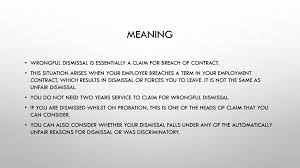
What is the time limit to file a wrongful dismissal claim?
Regardless of where you are located, it’s essential to know that these time limits start counting from the date of termination or the date when the employment effectively ended. Waiting too long can result in your case being dismissed automatically, regardless of how strong your evidence may be. Courts and tribunals generally enforce these deadlines strictly, with very few exceptions.
Even though you may have up to several years in some cases, it is wise to act sooner rather than later. Prompt action allows you to gather evidence more easily, maintain witness availability, and address the situation while the facts are still fresh. The longer you wait, the more difficult it becomes to present a compelling and well-documented wrongful dismissal claim.
If you’re unsure about the applicable time limit for your specific case, consulting with an employment lawyer is highly recommended. A legal professional can explain the deadlines relevant to your jurisdiction, identify the best legal avenue for your claim, and ensure that all necessary steps are taken within the correct timeframe.
In summary, there is a strict time limit to file a wrongful dismissal claim, and missing that window can eliminate your ability to seek justice. By understanding and respecting these deadlines, you improve your chances of obtaining fair compensation and holding your employer accountable for breaching your employment rights.