site office containers
The construction industry has always been dynamic, constantly evolving with innovations that enhance efficiency, productivity, and cost-effectiveness. One trend that has gained widespread popularity is the use of the site office container. These portable office units, created from shipping containers, have become an essential part of modern construction projects. Many professionals in the sector often ask: why are site office containers popular in construction projects? The answer lies in their flexibility, affordability, durability, and ability to adapt to the fast-paced demands of construction environments.
A site office container provides construction managers, engineers, and workers with a centralized, functional space where meetings, planning, and coordination can take place. Unlike traditional site offices that require temporary structures to be built from scratch, container offices are pre-fabricated and ready for installation. This saves valuable time, which is critical in construction projects where delays can lead to increased costs and missed deadlines. The quick deployment of a site office container ensures that operations can begin almost immediately, offering a practical solution for businesses focused on efficiency.
Cost-effectiveness is another major reason why the site office container has become so popular. Building a traditional temporary office requires labor, raw materials, and sometimes permits, which all add to the project’s overhead expenses. By contrast, container offices are more affordable, both in terms of purchase and installation. Since they are often repurposed from shipping containers, the base material cost is significantly reduced, and businesses benefit from a ready-made structure. This financial advantage makes them particularly appealing for projects with tight budgets, allowing funds to be directed toward core construction activities.
Durability plays a vital role in the popularity of the site office container. Construction sites are often exposed to tough conditions, including dust, heavy machinery movement, and unpredictable weather. A container office, built from corten steel, is designed to withstand such harsh environments. These offices remain sturdy against wind, rain, and temperature fluctuations, providing a reliable workspace throughout the duration of a project. Unlike traditional makeshift site offices, which may deteriorate quickly, a container office is built to last, offering security and resilience.
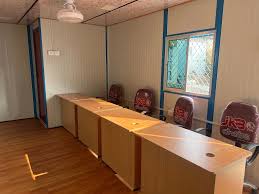
Why are site office containers popular in construction projects?
Mobility is another factor that makes the site office container a preferred choice in construction. Since most projects are temporary in nature, companies require office spaces that can be relocated once a project is completed. A container office can easily be transported to new sites using standard logistics equipment, ensuring that businesses maximize their investment by reusing the same office structure for multiple projects. This portability reduces the need for repeated spending on new office setups and aligns perfectly with the mobile nature of construction work.
The flexibility of design also contributes to the growing use of the site office container. These offices are not limited to simple, bare-bones spaces. They can be customized to include air conditioning, insulated walls, windows, electrical systems, and modern office furniture. Some companies even design container offices with conference rooms, break areas, or storage sections, making them highly functional for different purposes. The ability to tailor a site office container to meet specific project requirements adds significant value, ensuring that teams have the facilities they need to work productively.
Another reason for their popularity is the level of security they provide. Construction projects often involve valuable equipment, documents, and tools that need to be stored safely. The steel walls of a site office container make it far more secure than temporary wooden or lightweight structures. Locking systems can be reinforced to protect against theft or vandalism, which is a common concern on open job sites. This robust security feature gives companies peace of mind, knowing that their assets and sensitive documents are well-protected.
Sustainability is also a factor driving the preference for the site office container. As the world moves toward eco-friendly practices, reusing shipping containers as office spaces contributes to recycling efforts and reduces waste. Additionally, many container offices are designed with energy-efficient systems, such as LED lighting, solar panels, and effective insulation, which lower energy consumption during the project. This not only helps businesses cut down on utility costs but also supports their corporate responsibility initiatives, enhancing their reputation in the industry.
Speed of setup and reduced disruption are further advantages. On busy construction sites, time is money, and having a ready-to-use office delivered and installed within days instead of weeks or months is a major benefit. Workers and managers can quickly begin coordinating operations without dealing with the noise and inconvenience of constructing a temporary office from scratch. This ability to save time while maintaining a professional workspace is one of the reasons why site office containers are becoming a standard solution in construction projects worldwide.
In conclusion, the growing popularity of the site office container in construction projects can be attributed to its cost-effectiveness, durability, portability, security, and adaptability. It offers construction companies a practical and efficient way to set up centralized workspaces that can withstand tough conditions while remaining affordable and sustainable. By providing a balance between functionality and flexibility, the site office container addresses the unique challenges faced on construction sites. As the industry continues to evolve, it is clear that these innovative offices will remain an integral part of modern project management, proving to be both a reliable and future-ready solution.