hair vendors
The global market for human hair extensions is dominated by two major players: China and India. For entrepreneurs and businesses seeking reliable suppliers, understanding how hair vendors in china compare with Indian suppliers is essential for making informed purchasing decisions. While both offer distinct advantages, their differences in sourcing, processing, and product characteristics significantly impact the final product and overall business experience.
Hair vendors in China are renowned for their massive production capabilities and technological advancements. Chinese factories often operate on a grand scale, leveraging efficient machinery and assembly lines to produce large quantities of hair extensions rapidly. This industrial approach allows them to offer highly competitive pricing, especially for bulk orders. Chinese hair is typically sourced from various regions, including some imported from India and other Southeast Asian countries, and then extensively processed to achieve a wide array of textures, colors, and styles. This processing often involves chemical treatments, which can make the hair appear very silky and shiny initially.
Conversely, Indian hair suppliers largely rely on ethical sourcing from Hindu temples, where devotees voluntarily donate their hair as part of a religious practice known as tonsuring. This makes Indian hair genuinely virgin or Remy, meaning the cuticles are intact and aligned in one direction. This natural origin contributes to Indian hair’s reputation for authenticity, durability, and a more natural feel. Indian hair typically comes in natural wavy or curly textures, aligning well with diverse customer preferences, particularly in Western markets.
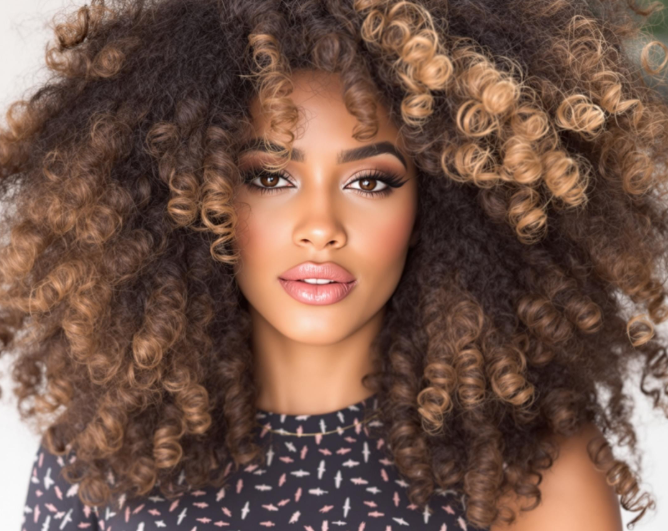
How do hair vendors in China compare with Indian suppliers?
One key differentiator lies in the processing. While hair vendors in China excel at transforming raw hair into a vast assortment of finished products, including intricate wig constructions and pre-bonded extensions, this often involves significant chemical treatment. This can sometimes compromise the hair’s long-term integrity and natural feel. Indian suppliers, on the other hand, tend to focus on minimal processing, preserving the hair’s natural state and extending its longevity.
When considering products like wholesale weave hair extensions, the choice between Chinese and Indian suppliers often boils down to priorities. Chinese vendors offer unparalleled variety, customization options, and speed for large orders, making them suitable for businesses with diverse product lines and tight deadlines. However, buyers should be diligent in quality checks to ensure the extensive processing doesn’t negatively impact the hair’s durability. Indian suppliers, while potentially offering less stylistic variety in terms of highly processed or colored options, provide consistently high-quality, ethically sourced hair that often lasts longer and blends more seamlessly with natural hair textures.
Communication and logistics also vary. Hair vendors in China generally have well-developed export infrastructures and often employ multilingual staff, facilitating smoother transactions for international buyers. Indian suppliers, while also experienced in exports, might operate on a slightly smaller scale, with a focus on personalized service and direct relationships with buyers. Understanding their respective shipping times, payment methods, and customer service approaches is crucial for a successful partnership.
Ultimately, both hair vendors in China and Indian suppliers offer valuable opportunities for the hair extension market. The best choice depends on a business’s specific needs regarding budget, desired hair quality, product variety, and ethical considerations. Thorough research, requesting samples, and establishing clear communication are vital steps regardless of the country of origin.
