travel during TMS treatment
Can I travel during TMS treatment? This is a very common question for individuals considering starting Transcranial Magnetic Stimulation, especially because the treatment schedule typically involves daily sessions over several weeks. TMS, or Transcranial Magnetic Stimulation, is a non-invasive therapy used to treat depression and other mental health conditions by stimulating targeted regions of the brain with magnetic pulses. Since the standard treatment plan usually consists of sessions five days per week for six to eight weeks, flexibility and planning are important concerns for many patients.
The short answer is yes—you can travel during tms near me treatment, but there are important considerations. TMS is most effective when completed consistently without long interruptions. Missing occasional sessions may not negatively affect results if managed properly, but frequent or extended gaps can reduce treatment effectiveness. Because TMS works gradually by helping the brain build stronger and more balanced neural pathways, regular stimulation is essential for achieving the best outcomes. For this reason, most clinics encourage patients to plan travel around the treatment schedule when possible.
If travel becomes necessary, communication with your TMS provider is crucial. The clinic may be able to reschedule sessions around your trip or offer extended appointments before and after travel to minimize disruption. In some cases, it may be possible to temporarily continue treatment at another clinic if you are traveling within the same country. This depends on availability, insurance, and coordination between providers, so it requires advance planning. Many patients check for clinics in their destination city and coordinate treatment transfer if needed.
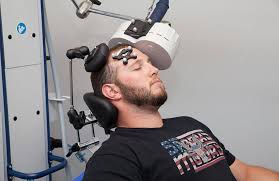
Can I travel during TMS treatment?
Short weekend trips are usually easier to manage. Because TMS is generally administered Monday through Friday, planning travel for Friday evening through Sunday evening typically does not interfere with the treatment schedule. Patients who feel well during therapy often find that short trips provide positive emotional benefits such as relaxation, connection with loved ones, or time outdoors—experiences that complement the healing process.
Travel practicalities should also be considered. Some individuals may experience temporary scalp discomfort or mild fatigue after sessions, particularly during the early weeks of treatment. This is usually manageable and improves with time, but planning for comfortable travel arrangements can help. Additionally, maintaining good routines such as sleep hygiene, hydration, and medication schedules can support continued progress while away from home.
For individuals actively researching TMS and looking up phrases like tms near me, it can be beneficial to ask potential clinics about their policies on missed sessions, schedule adjustments, and treatment transfer options. Clinics with flexible scheduling or extended hours can make it much easier for patients to balance treatment with travel demands, work responsibilities, or family commitments. Asking questions during the consultation appointment can help you feel confident and prepared.
Ultimately, while travel during TMS treatment is possible, thoughtful planning ensures that progress remains steady. Many patients successfully complete treatment while managing travel needs by coordinating closely with their care team. Consistency remains the key factor in treatment success, and decisions should be guided by maintaining the best possible conditions for your mental health improvement. By understanding expectations, communicating needs, and preparing in advance, it is entirely feasible to balance travel and treatment—and continue moving toward emotional stability and recovery.
