Gynecomastia surgery is designed to reduce excess breast tissue and create a flatter, more proportionate masculine chest. The results can vary depending on the amount and type of tissue present, skin elasticity, surgical technique, and individual healing. For some men, treatment primarily involves removing fatty tissue, while others may need glandular tissue excision or a combination of approaches. A personalized surgical plan helps address the specific causes of chest fullness. The goal is not simply tissue removal, but creating a natural-looking contour that complements the patient’s overall physique.
What Changes Can You Expect After Surgery?
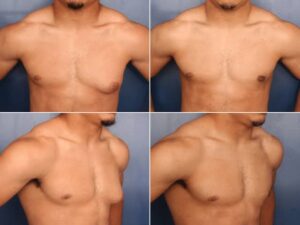
One of the most noticeable benefits of Gynecomastia surgery is improved chest definition. Removing unwanted tissue can create a flatter appearance and reduce the prominence of the breasts beneath clothing. Patients may also notice better balance between the chest and surrounding areas, particularly when treatment is carefully tailored to their body proportions. Early results can be obscured by swelling and bruising, so patience is important during recovery. As postoperative swelling gradually decreases, the chest contour typically becomes more refined, allowing the final outcome to become increasingly apparent.
A Flatter, More Masculine Chest
A successful procedure can help reduce the rounded or enlarged appearance associated with excess male breast tissue. Depending on the patient’s anatomy, the surgeon may use liposuction to address localized fat or remove firmer glandular tissue through discreet incisions. Combining techniques can sometimes provide more comprehensive contouring when both types of tissue contribute to fullness. The desired outcome is a chest that appears flatter without looking unnaturally hollow or over-corrected. Careful surgical planning is important for maintaining smooth transitions between the treated chest and surrounding body contours.
Improved Clothing Fit and Confidence
Physical changes can also influence how men feel about their appearance in everyday situations. A flatter chest may make shirts fit more comfortably and reduce concerns about visible fullness under clothing. Some patients may feel more comfortable participating in activities such as swimming, exercising, or spending time at the beach. While surgery cannot guarantee a particular emotional outcome, improving a physical concern that has affected self-image may contribute to greater confidence. Discussing personal expectations openly with your surgeon can help ensure that your goals are realistic and aligned with what treatment can achieve.
How Long Do Results Last?
Results from Gynecomastia surgery are generally intended to be long-lasting when patients maintain a stable weight and follow postoperative recommendations. The removed glandular tissue does not simply grow back, although remaining fat cells can enlarge with significant weight gain. Hormonal changes or certain medications can also contribute to renewed breast enlargement in some circumstances. Maintaining healthy habits and addressing underlying factors with appropriate medical guidance can help preserve the improvement. Your surgeon can explain how your individual circumstances may affect long-term results and whether additional evaluation is appropriate before treatment.
For men exploring Gynecomastia treatment in Bluffton, SC, selecting an experienced cosmetic surgery practice can be an important part of achieving natural-looking results. Sculpt Cosmetic Surgery develops individualized treatment plans based on each patient’s chest anatomy, concerns, and desired appearance. Depending on the presentation, modern techniques may be used individually or together to improve contour while minimizing unnecessary tissue disruption. Men interested in learning more can visit sculpt-cosmeticsurgery.com for additional practice information. A consultation provides an opportunity to discuss goals, examine the chest, and understand what outcome may be realistic.
Ultimately, Gynecomastia surgery can provide meaningful improvements in chest shape, proportion, and appearance, but results differ from patient to patient. The final contour depends on anatomy, skin quality, tissue composition, surgical technique, and healing. It is also important to understand that surgery is not intended to create an identical chest shape for every man. Instead, treatment is customized to produce a balanced result that suits the individual’s body. With realistic expectations, appropriate postoperative care, and professional guidance, many patients can achieve a flatter chest and renewed confidence in their appearance.
